
How to Empower Public Engagement in Australia Through Inclusive Audio Design
Embracing Inclusive Audio Design
Inclusive audio design is pivotal in creating environments where everyone feels welcome and engaged. By incorporating accessibility features akin to those at the Melbourne Museum's accessible features, we enable everyone, regardless of their auditory capabilities, to participate fully. A central component of this effort involves integrating induction loop systems into public spaces, which significantly benefit individuals using hearing aids by directly transmitting audio signals. This technology fosters an inclusive atmosphere akin to Federation Square's inclusive design, making public engagements more welcoming.
To further enhance participation, employing quality monitors for video conferencing is essential, especially for remote meetings that aim to include diverse demographies. High-definition audio-visual equipment ensures clear communication, reducing the barriers often faced by those with sensory impairments. Additionally, investing in superior musical equipment for public announcements and events can ensure that sound quality is maintained at a level that is both pleasing and accessible to all attendees.
The strategies for stakeholder engagement should focus on creating a dialogue between those who design spaces and those who use them. Incorporating feedback loops where individuals share their experiences with accessibility features can lead to meaningful improvements. By prioritising inclusive design principles, public spaces can harness the power of accessible technology to foster an environment where everyone feels a part of the conversation.
Designing for Diverse Audiences
Understanding Demographic Needs
Designing audio experiences for diverse audiences requires a nuanced understanding of the unique needs of different demographic groups. In Melbourne, accessibility features similar to those at the Melbourne Museum can inspire inclusive audio strategies. These strategies should involve thorough stakeholder engagement, ensuring that voices from all segments of the community are heard and represented in the design process. This approach not only highlights the critical role of understanding specific group needs but fosters a sense of ownership and satisfaction among users.
Adapting to Cultural Differences
Cultural sensitivity is another pivotal element when designing inclusive audio content. It’s important to incorporate varied cultural perspectives, providing content that resonates across different communities. Federation Square's inclusive design elements serve as a model for embracing cultural diversity through innovative and thoughtful planning. Customising audio experiences to reflect cultural nuances helps in bridging communication gaps and promotes wider acceptance and engagement.
Ensuring Universal Accessibility
Creating universally accessible audio solutions entails integrating cutting-edge technology like mesh radios and broadcast solutions that facilitate diverse and inclusive communication. These technologies can be adapted to various environments, ensuring seamless and effective communication for everyone, regardless of their physical or cognitive abilities. Encouraging openness and adaptability, akin to the accessibility initiatives at Royal Botanic Gardens Victoria, ensures that every individual has equal access to information and resources.
Developing effective, inclusive audio design requires concerted efforts, open dialogue, and strategic collaboration.
Implementing Practical Solutions
Leveraging Emerging Technologies
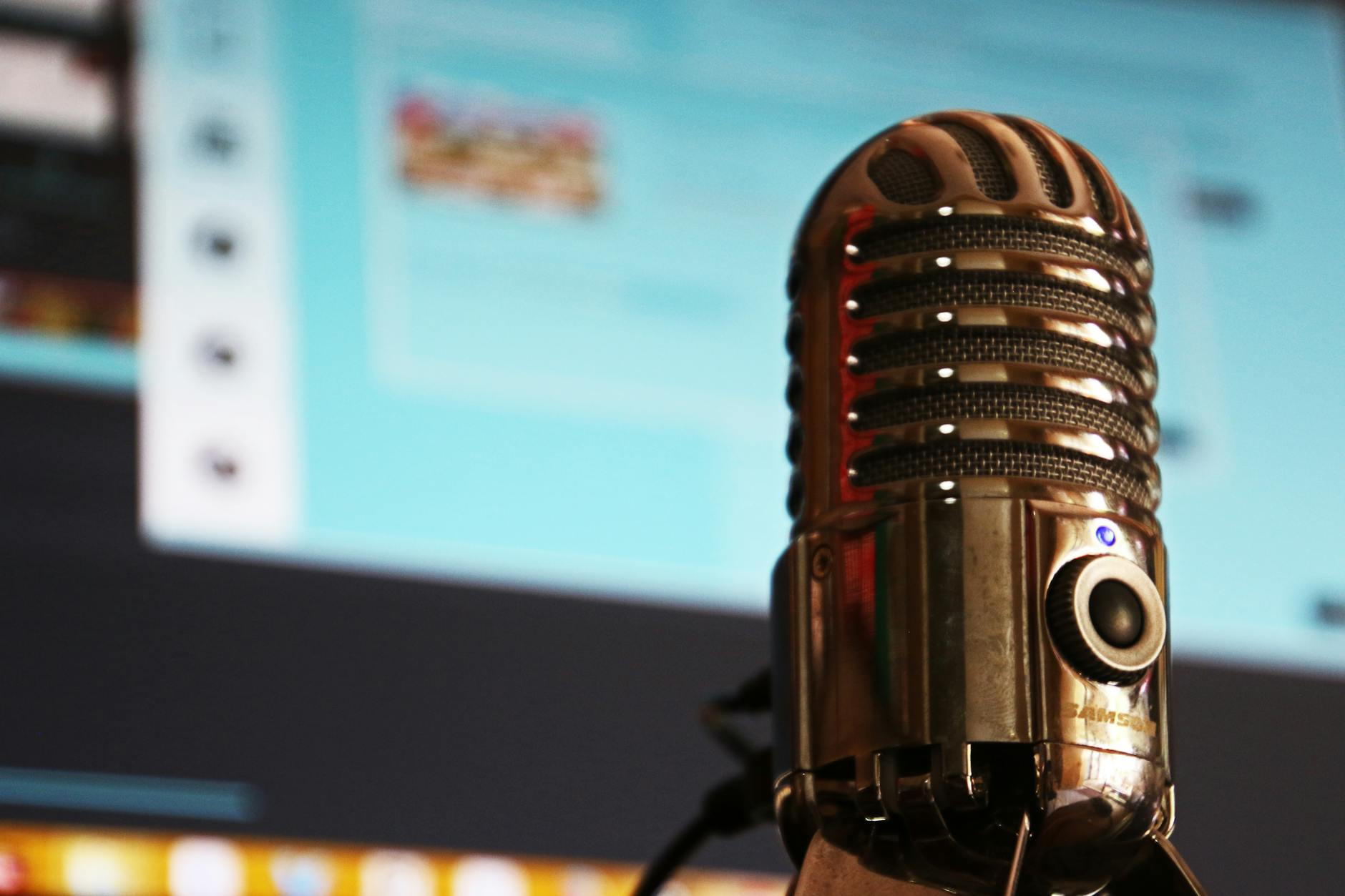
Exploring the fascinating landscape of emerging technologies can significantly enhance public engagement through inclusive audio design. For those looking to improve audio accessibility, consider the impact of advanced tools like a professional microphone. This technology ensures clear and high-quality sound, which is crucial for audiences with varying hearing abilities. Moreover, using innovative audio solutions can mirror the accessibility initiatives at Royal Botanic Gardens Victoria, where seamless interaction with audio guides is a priority.
Strategies for Effective Community Feedback
Engaging with the community is fundamental when designing accessible audio solutions, and effective feedback mechanisms can lead to meaningful improvements. One approach is to hold community consultation meetings, similar to those at local landmarks like Melbourne Museum, to gather diverse opinions. In these forums, incorporating feedback into your design allows stakeholders to directly influence the features that matter most to them, fostering a sense of ownership and empowerment among participants.
Tools for Real-time Engagement
For real-time audience interaction, consider platforms that combine auditory and visual elements, such as using guitars and basses in live events to create an inclusive audio-visual experience. This resonates with Federation Square's inclusive design elements, where multi-sensory engagement is key. By adopting these strategies, you not only meet regulatory requirements but also empower your audience through enriching and memorable experiences.
Overcoming Challenges
Addressing Technical Barriers
Navigating the technical landscape in our pursuit of inclusive audio design is not without its hurdles. As someone deeply immersed in the telecommunications field, I understand the intricate dynamics involved in integrating new technologies with established infrastructures. One promising approach is using advanced antenna tracking system technologies. These systems can bolster precision and reliability in communication projects, ensuring seamless connections even in challenging environments.
Navigating Regulatory Frameworks
Another significant challenge is adhering to evolving regulatory standards. Whether it's government mandates or industry guidelines, staying informed and aligning our projects with these regulations is critical. A strategy for stakeholder engagement becomes essential here, as it can drive collaboration between industry experts, regulators, and communities. Open dialogue, similar to the inclusive initiatives seen in Federation Square, can foster innovation while maintaining compliance.
Ensuring Long-term Sustainability
Embedding sustainability into our designs requires foresight and commitment. By assessing the life cycle of technologies and factoring in future developments, we can create designs that not only meet today's needs but also anticipate tomorrow's demands. The key is to remain adaptable, much like the pro audio equipment that is continually refined to meet the changing needs of its users.
These challenges require a conscious effort to balance innovation with practicality. They are surmountable with a focused, collaborative approach that mirrors other successful accessibility initiatives.
Empowering Engagement Through Best Practices
Collaborative Frameworks for Inclusion
In creating spaces that truly resonate with everyone, forming collaborative frameworks is a crucial step. We must engage with diverse voices, inviting perspectives from communities across Melbourne. This means partnering with organisations experienced in diversity and inclusion, perhaps taking inspiration from the accessibility initiatives at Royal Botanic Gardens Victoria. By doing so, we ensure that projects do not just meet minimal requirements but actively celebrate the richness of our city's demographic fabric. One effective strategy is conducting regular stakeholder meetings, akin to those found in community consultation gatherings, which allow for genuine dialogue and cooperation.
Protocols for Continuous Improvement
Once foundational frameworks are established, the next step is to embed protocols for continuous improvement. This means regularly reviewing inclusive audio design projects, gathering feedback from all user groups, and iterating based on this feedback. Incorporate elements from Federation Square's inclusive design processes by setting up feedback panels, helping to collect insights from a broad spectrum of users, and ensuring that modifications are never a tick-box exercise but a persistent pursuit of excellence. Emphasising iterative development helps keep accessibility initiatives fresh and responsive to shifting needs.
Building Diverse Design Teams
Lastly, the creation of inclusive audio environments hinges on diverse design teams. These teams should reflect the city's multicultural makeup and include members with lived experiences of accessibility challenges. Drawing parallels to the Melbourne Museum's accessible features, we can see how vital diverse input is for practical solutions. It's about bringing together technologists, designers, and advocates to foster settings where every voice is not only heard but valued. By employing tools like 1-wire protocol touchscreens and fostering a creative, inclusive atmosphere, we push the envelope of what community engagement can achieve.